History of erotic massage: from Egyptian tombs to Japanese nuru

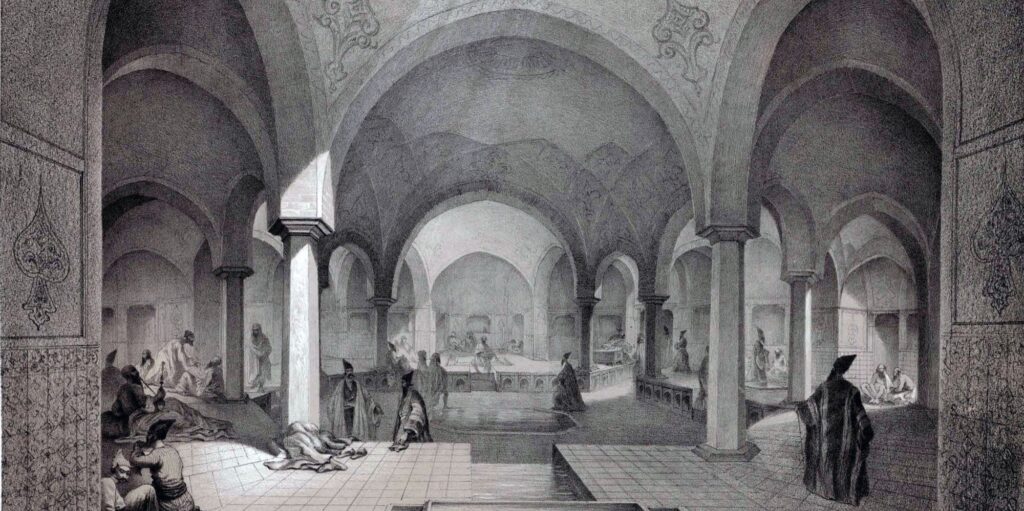
The history of erotic massage is as old as the history of massage itself. For thousands of years, touch, oil and warm water have served people for healing, cleansing and pleasure, and the line between them has always been thin. This article follows that line from Egyptian tombs through Roman baths, medieval Prague bathhouses and Japanese bathhouses to the modern salon. Along the way, we look at which “ancient” traditions are actually quite young and which famous stories are pure myth.
Ancient world: the first evidence of massage
Egypt
One of the oldest known images of massage is in Saqqara, Egypt. The tomb of the official Ankhmahor, nicknamed the “physician’s tomb” for its scenes of treatment, has a relief from around 2300 BC. It shows attendants massaging the hands and feet of two men. There is nothing erotic about it yet: this is care for the body. But the Egyptians already knew the scented oils and ointments that massage still depends on today.
China and India
In ancient China, massage was a medical technique, described in classical medical texts from around the turn of the common era. In India, Ayurveda gave warm oil on the skin a healing and cleansing role. India also produced the first famous text that links massage with lovemaking.
Kama Sutra and tantra: what is really ancient
The Kama Sutra was written by Vatsyayana around the 3rd century AD. It is not just a book of positions but a guide to the life of a cultivated person. Among the 64 arts such a person should master, it lists the art of massage and body care. Touch is a natural part of foreplay and seduction.
Tantra is a different story. Tantric texts appeared in India from around the middle of the 1st millennium AD, and they are mainly religious and ritual writings. What we call tantric massage today is a modern Western practice, known as neotantra. It developed in the 20th century and became popular in the 1960s and 1970s. It borrowed Indian terms such as lingam and yoni, but the massage techniques are new. Read more in the difference between erotic and tantric massage. Our lingam massage takes its name from this tradition, and techniques for women are covered in how to perform a yoni massage.
Greece and Rome: oil, baths and body care
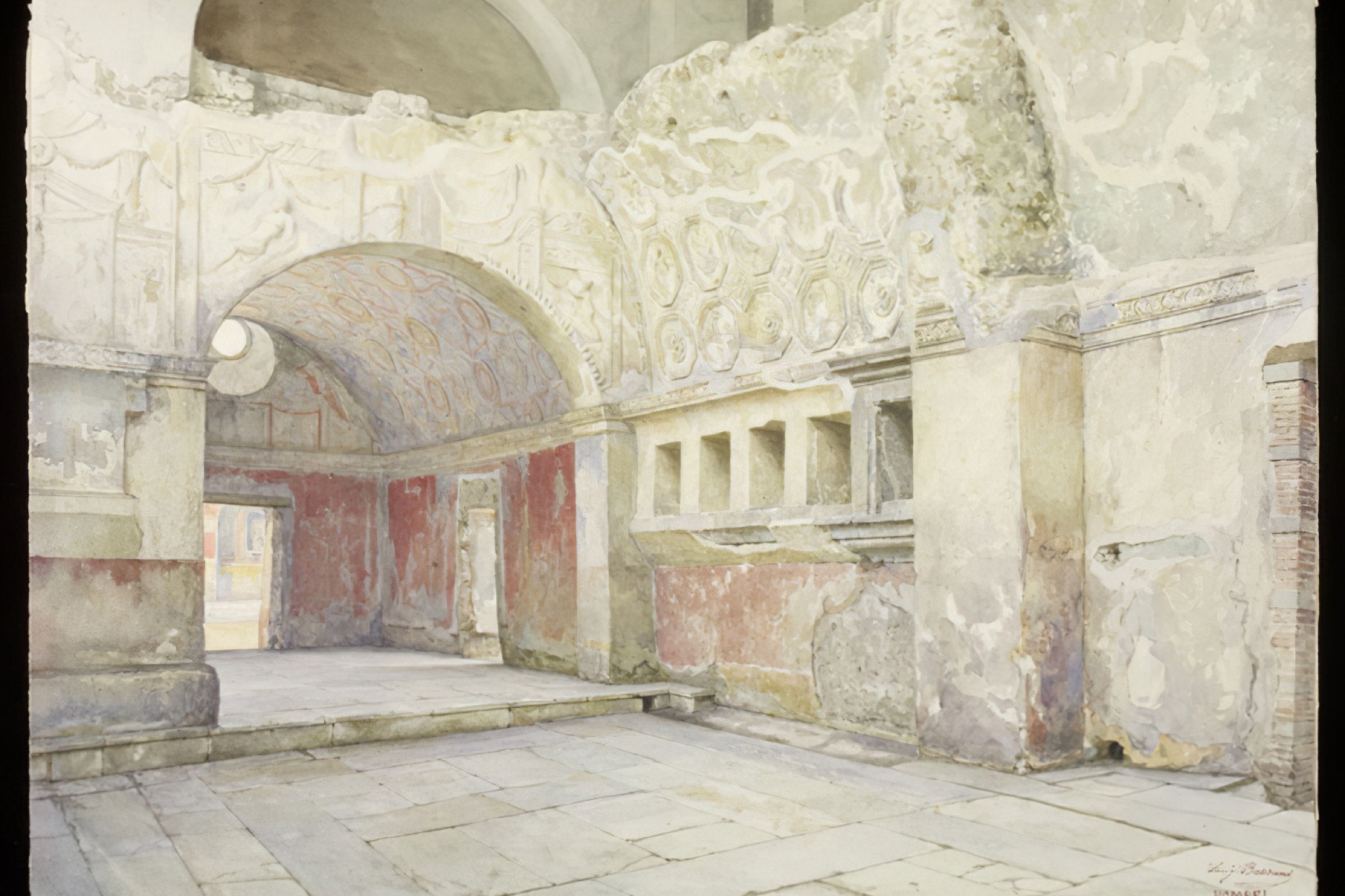
The Greeks connected massage with sport. Athletes rubbed themselves with oil before training and scraped it off, dust and all, with a curved scraper afterwards. Hippocrates wrote that a physician must be experienced in many things, but above all in rubbing, in Greek “anatripsis”. The Romans turned bathing into a social ritual. People spent whole afternoons in the public baths, the thermae. Wealthier guests had slaves rub oil into their bodies, and the physician Galen wrote whole chapters on massage. And anyone who wanted more than a wash did not have to walk far from the baths in a Roman town.
Medieval bathhouses and the bath maids of Prague
In the Middle Ages, public bathhouses were a normal part of European towns, Prague included. Bath attendants washed, scrubbed and massaged their guests, cut hair, let blood and treated small injuries. Bathhouses had a reputation as places for flirting as well as washing, so the bath attendant’s trade was long considered dishonourable. In the Czech lands, King Wenceslas IV changed that in 1406 with a privilege that declared the trade honourable.
A well-known legend is linked to the king. According to it, a bath maid named Zuzana helped him escape from captivity in 1394. True or not, bath maids in thin shifts with a bucket and a bundle of twigs decorate the margins of the Wenceslas Bible. They are among the best-known erotic motifs of medieval Czech painting.
The hammam: bathhouses of the Orient
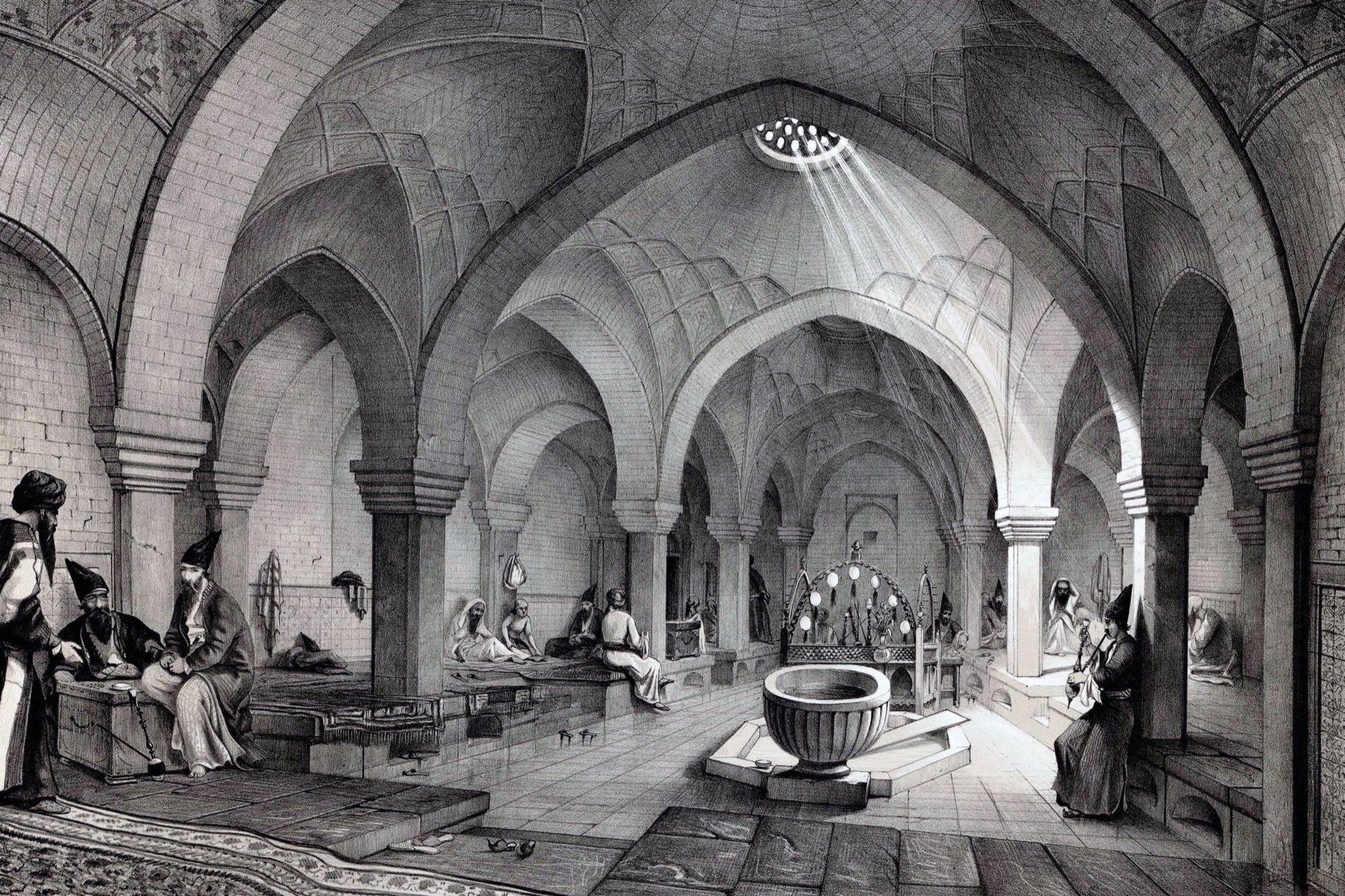
In the Middle East and the Ottoman Empire, the hammam continued the Roman tradition. Guests sweated in a hot room, then an attendant scrubbed them with a rough mitt and massaged them. The hammam was mainly a place for meeting and cleansing, but 19th-century European travellers and painters projected their own fantasies onto it. The best-known example is The Turkish Bath by Jean-Auguste-Dominique Ingres from 1862, full of sensuality the painter never saw with his own eyes.
Japan: from bath girls to nuru
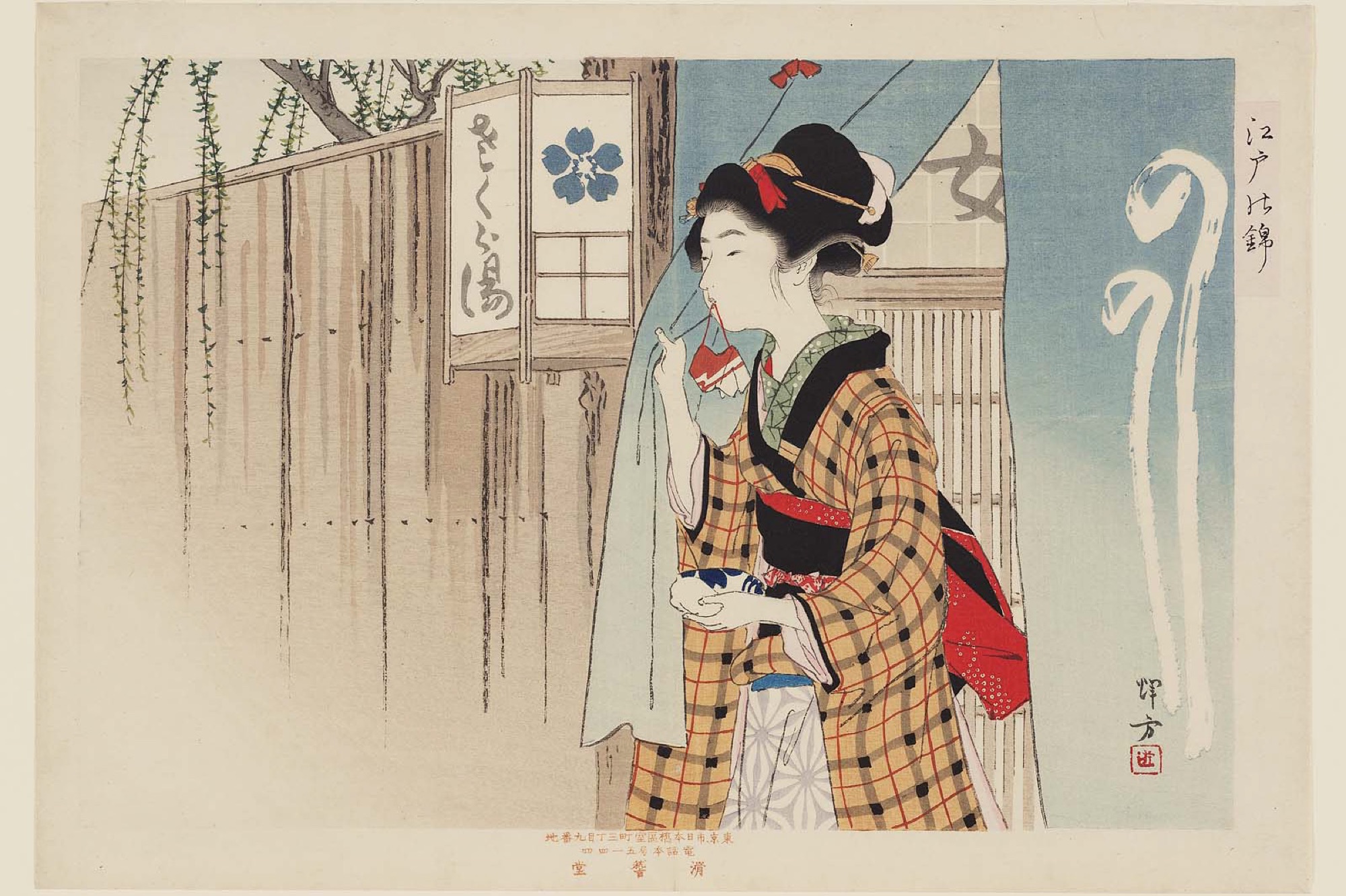
In Japan’s Edo period (1603–1868), public bathhouses employed yuna, bath girls. They washed guests and often offered company and more, so the authorities restricted them again and again. In the 1950s, establishments called “Turkish baths”, toruko in Japanese, appeared in Tokyo. After protests from a Turkish student and the Turkish embassy, a Japanese bathhouse association changed the name in 1984. A public contest chose the word soapland, which is still used today.
This world also gave us nuru massage. The Japanese word “nurunuru” means slippery, which describes the gel made from nori seaweed that the massage is built on. Our gel is clear, almost odourless and warmed, and the massage takes place on a futon with a special waterproof mattress. The European counterpart, with warm oil instead of gel, is body to body massage. For what nuru feels like in practice, see our review of Japanese nuru massage in Prague.
Thailand: temple massage and “soapy” parlours
Traditional Thai massage, nuad thai, is on UNESCO’s list of intangible cultural heritage. In the 1830s, King Rama III had its knowledge carved into stone tablets at Wat Pho temple in Bangkok, where massage is still taught today. It has nothing to do with erotica. Thailand also became famous for “soapy massage” parlours, which spread in the 1960s and 1970s when American soldiers came to Bangkok on leave from the Vietnam War. The two worlds are compared in Thai erotic massage.
19th century: the scandal that created physiotherapy
In the 19th century, massage became a fashionable treatment in Europe. The Swede Per Henrik Ling combined it with therapeutic exercise, and the Dutch physician Johann Georg Mezger introduced the names of strokes that therapists still use. Fashion also brought establishments that offered something else under the name “massage”.
In 1894, the British Medical Journal published a series of articles about London “massage establishments” that were in fact fronts for prostitution. The scandal caused an uproar. A group of nurses and midwives responded by founding the Society of Trained Masseuses, officially launched in February 1895. Its aim was to separate professional massage clearly from the erotic kind, and it grew into today’s Chartered Society of Physiotherapy. So modern physiotherapy, ironically, owes its birth to erotic parlours.
The myth of doctors and hysteria
You may have heard that Victorian doctors “treated hysteria” by massaging female patients to orgasm, and that this is how the vibrator was invented. The story comes from Rachel Maines’s 1999 book and even made it into films. But in 2018, historians Hallie Lieberman and Eric Schatzberg checked her sources and did not find a single one that documents such treatment. It is a modern legend rather than history. More common misconceptions are covered in 7 myths about erotic massage.
From 20th-century parlours to today
In the 20th century, erotic massage moved into salons in big cities. In the 1970s, “massage parlors” spread across the United States, while neotantra taught that touch can be slow and mindful. Today’s erotic massage takes the best from history: warm oil and body care from ancient baths, sensuality from Indian texts and slippery gel from Japan.
What sets a modern salon apart from historical bathhouses is mainly the rules. At Rabbit Hall, which has been operating in Prague since 2020, a professional cleaning company takes care of hygiene, the masseuses have regular medical check-ups and go through training with an instructor. Guests never meet each other in the salon. The clear boundaries of every visit are summed up in the rules for visiting the salon.
FAQ about the history of erotic massage
Who invented erotic massage?
No single inventor exists. Ancient civilisations in Egypt, China and India already knew massage, and an erotic side appeared naturally wherever people met naked, with oil and warm water: in Roman baths, medieval bathhouses and Japanese bathhouses alike.
Is tantric massage really thousands of years old?
No. Tantra as an Indian spiritual tradition is over a thousand years old, but tantric massage as we know it today developed in the West in the 20th century. From the old tantra it took mainly names and the idea of mindful touch.
Where does nuru massage come from?
From Japan. It developed in Japanese bathhouses and is named after the word “nurunuru”, meaning slippery. It is based on a gel made from nori seaweed.